

Subject Area 3
Transitions between Art and Life
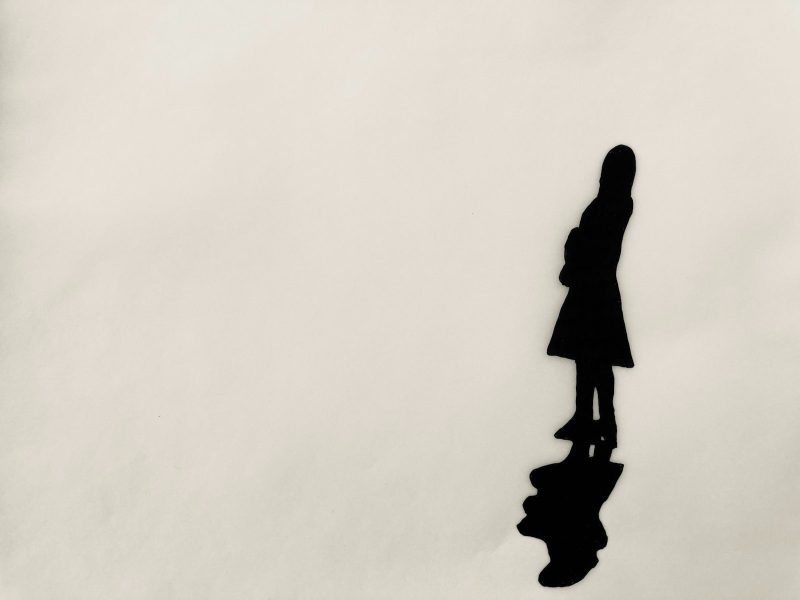
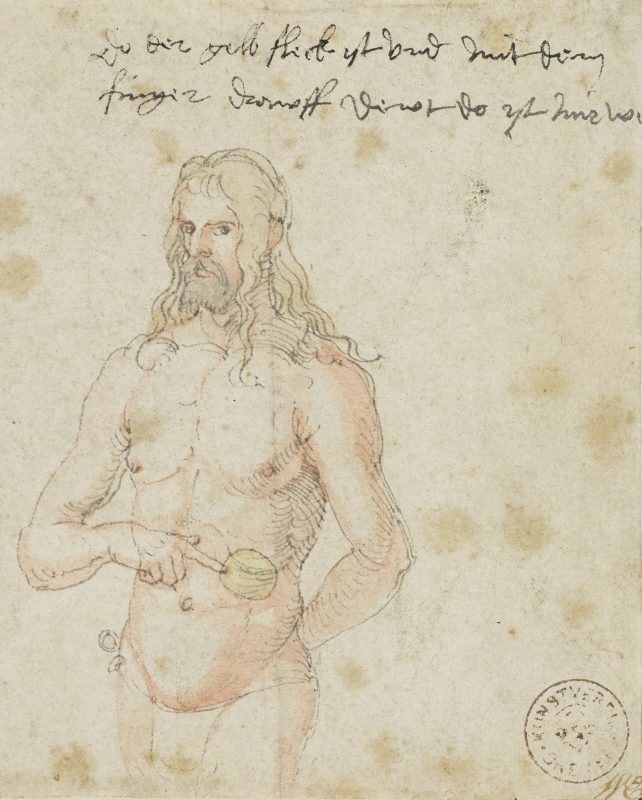
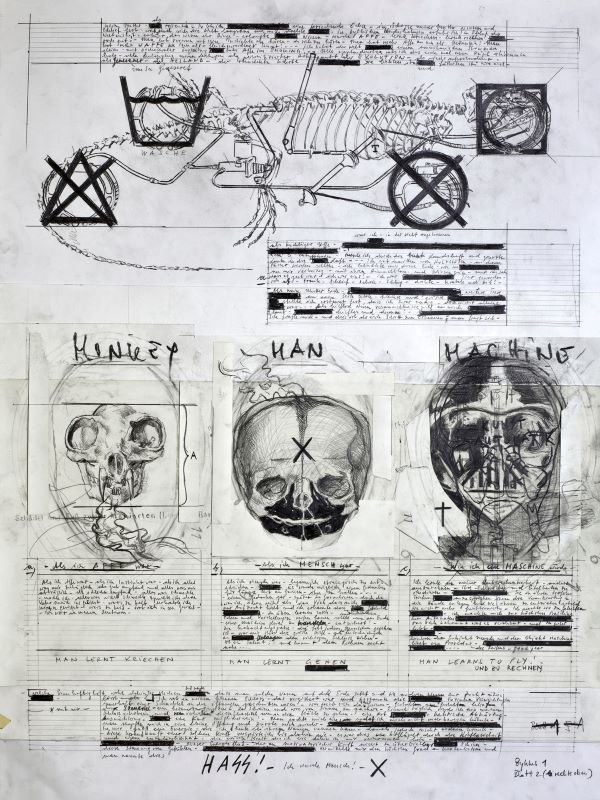
The third subject area deals with the oppositions of art and life, individual and collective, finitude and infinity, and attempts to overcome these oppositions.
- Art and Life Praxis – Art of Living: How should the zone or the transition between art and life be thought about? More recent versions of the very old doctrines of the art of living (ars vitae/ars bene vivendi and moriendi) emphasize the art analogy in the conscious shaping of life relations, with the “art of living” integrating ethical and political dimensions.
- De-fictionalization and Authenticity: At the art/life boundary, artistic realism projects have always operated with the intent of mimesis or the “imitation of nature.” Unlike in the past, aspects of performativity, corporeality and materiality now come to the fore; “realism” could be described as a form of praxis in itself.
- Aesthetic Praxeology seeks out a concept of art as practice whose boundaries are open to the lifeworld and in which the institutionalized arts are understood as borderline cases of comprehensive aesthetic practices. Can premodern understandings of art (such as the artes) be connected here in order to develop new pedagogical and everyday aesthetic forms? Can new concepts of science and science pedagogy also be developed here? Can science and art thus be placed in a new relationship?
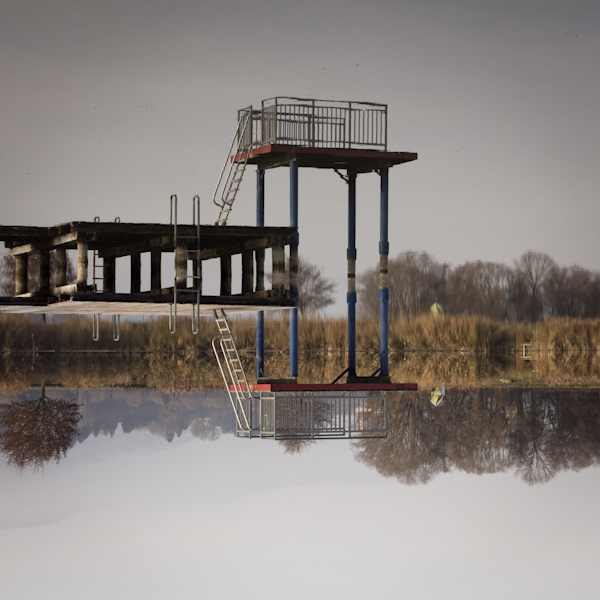
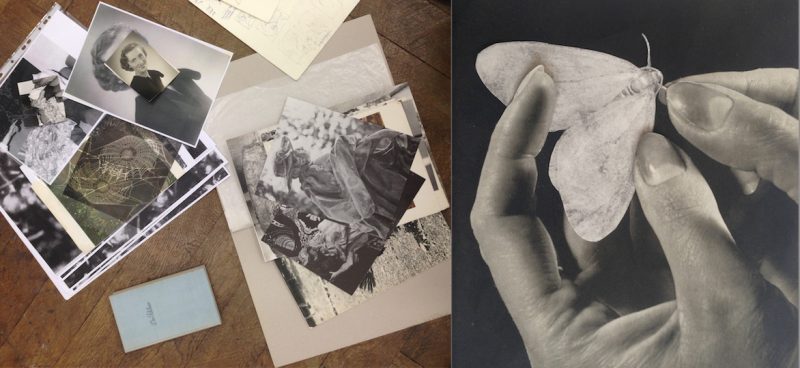
Picture credits: Iris Fraueneder, Photo study „About nature and civilisation”, International Summer Academy Salzburg, 2010.
Veranstaltungen aus Themenfeld 3: Übergänge zwischen Kunst und Leben